
Pulmonary sarcoidosis is an inflammatory disease that most often affects the lungs and chest lymph nodes, though it can also involve other organs. While its exact cause remains unknown, advances in medical science have made it easier to diagnose and manage. In this article, we’ll explore the typical symptoms, how the disease is diagnosed, treatment options, and what to expect for the future if you or someone you know is living with sarcoidosis.
What Are the Symptoms of Pulmonary Sarcoidosis?
Sarcoidosis often develops slowly and may not cause noticeable symptoms at first. In fact, many people discover they have the condition during routine chest X-rays done for unrelated reasons. When symptoms do appear, they can mimic other illnesses, making early diagnosis a challenge.
Early symptoms include:
- Persistent dry cough that doesn’t improve with standard treatment
- Shortness of breath, especially during physical activity
- Fatigue and general weakness
- Chest pain, particularly with deep breathing
- Low-grade fever and night sweats
- Swollen lymph nodes, especially in the chest, but also in the neck and underarms
Symptoms in more advanced stages:
- Worsening breathlessness even at rest
- Unexplained weight loss
- Joint pain
- Skin changes, such as painful red nodules on the legs (erythema nodosum)
- Eye problems, including dryness, redness, or blurred vision
- In severe cases: lung fibrosis, which leads to permanent damage and reduced lung function
How Is Pulmonary Sarcoidosis Diagnosed?
Diagnosing sarcoidosis can be difficult because it mimics many other lung diseases like tuberculosis, asthma, or autoimmune conditions. To reach an accurate diagnosis, your doctor will typically use a combination of tests.
Key diagnostic tools:
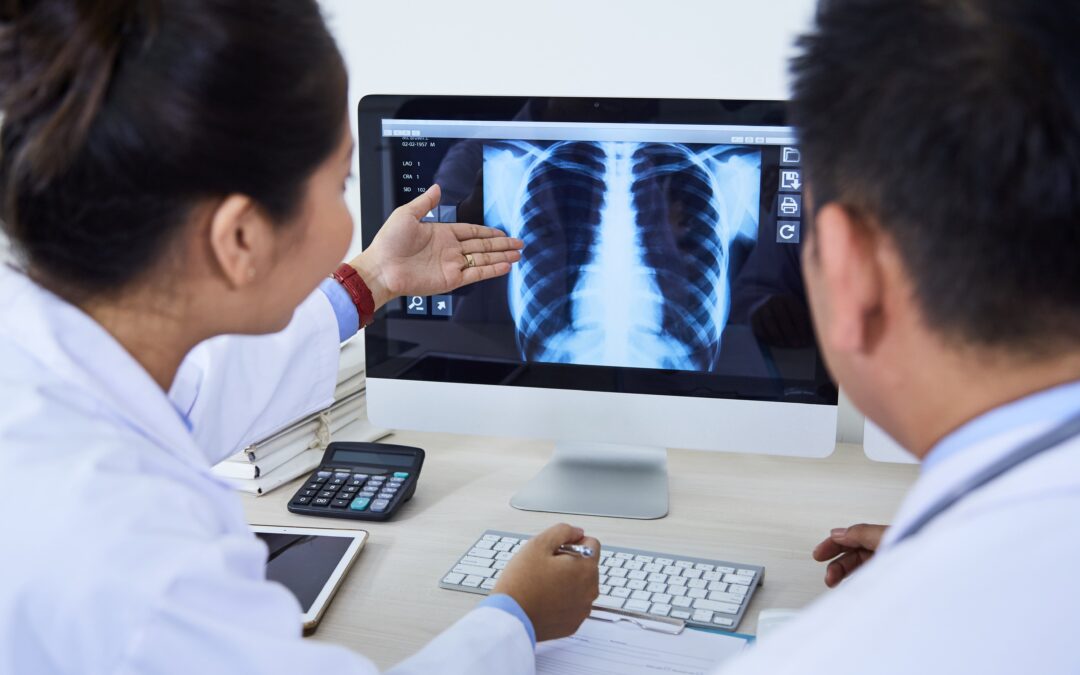
- Chest X-ray – often the first clue, showing enlarged lymph nodes or lung changes
- CT scan (computed tomography) – provides a more detailed image of the lungs
- Pulmonary function tests – measure how well your lungs are working
- Bronchoscopy with biopsy – allows doctors to take small samples from the lungs or lymph nodes to look for granulomas
- Blood tests – such as the angiotensin-converting enzyme (ACE) level, which can be elevated in sarcoidosis
- Lab work – helps rule out other causes and assess overall health
A definitive diagnosis usually requires a histopathological examination of tissue samples, which reveals the presence of non-caseating granulomas, a hallmark of sarcoidosis.
How Is Pulmonary Sarcoidosis Treated?
Not all cases of sarcoidosis require treatment. In fact, in about half of patients, the disease resolves on its own within a few years. However, treatment becomes necessary when symptoms are severe, persistent, or when there is a risk of organ damage.
Common treatment options:
- Corticosteroids (e.g., prednisone) – first-line treatment that reduces inflammation and helps calm the immune response
- Immunosuppressive drugs – such as methotrexate or azathioprine, used if corticosteroids are not effective or cause significant side effects
- Biologic therapies – newer, targeted medications for more severe or resistant cases
- Symptom management – including inhalers, oxygen therapy, or pulmonary rehabilitation
The goal of treatment is to relieve symptoms, prevent lung damage, and improve quality of life.
Living with Sarcoidosis – What’s the Outlook?
Receiving a diagnosis of sarcoidosis can be worrying, but in most cases, the outlook is positive – especially with early detection and proper management.
Can the disease go away?
Yes. In up to 50–70% of cases, sarcoidosis resolves on its own within 2 to 3 years. Some patients may experience flare-ups, but most can live a full, active life.
How long can you live with pulmonary sarcoidosis?
For the majority of people, sarcoidosis does not shorten life expectancy. The disease often runs a mild or self-limiting course. However, a small percentage of patients develop chronic or progressive disease, which may require long-term care.
When can complications occur?
While complications are uncommon, they can include:
- Pulmonary fibrosis – permanent scarring of lung tissue
- Pulmonary hypertension – high blood pressure in the lungs
- Organ involvement – such as the heart, eyes, or nervous system
- Osteoporosis – often due to long-term steroid use
Ongoing medical follow-up, healthy lifestyle choices, and tailored treatment help reduce the risk of serious complications.
In Summary
Pulmonary sarcoidosis is a condition with a wide range of symptoms and outcomes. While it can be challenging to diagnose, modern testing and treatment approaches offer patients a real chance at recovery and normal life. For many, the disease resolves naturally. For others, with the right care and monitoring, symptoms can be controlled and complications prevented.
If you’re experiencing persistent cough, fatigue, or unexplained breathing issues, speak to your healthcare provider. Early diagnosis and personalized treatment can make a big difference.